The New Theater Owner Found Two Hundred Names Beneath the Seats

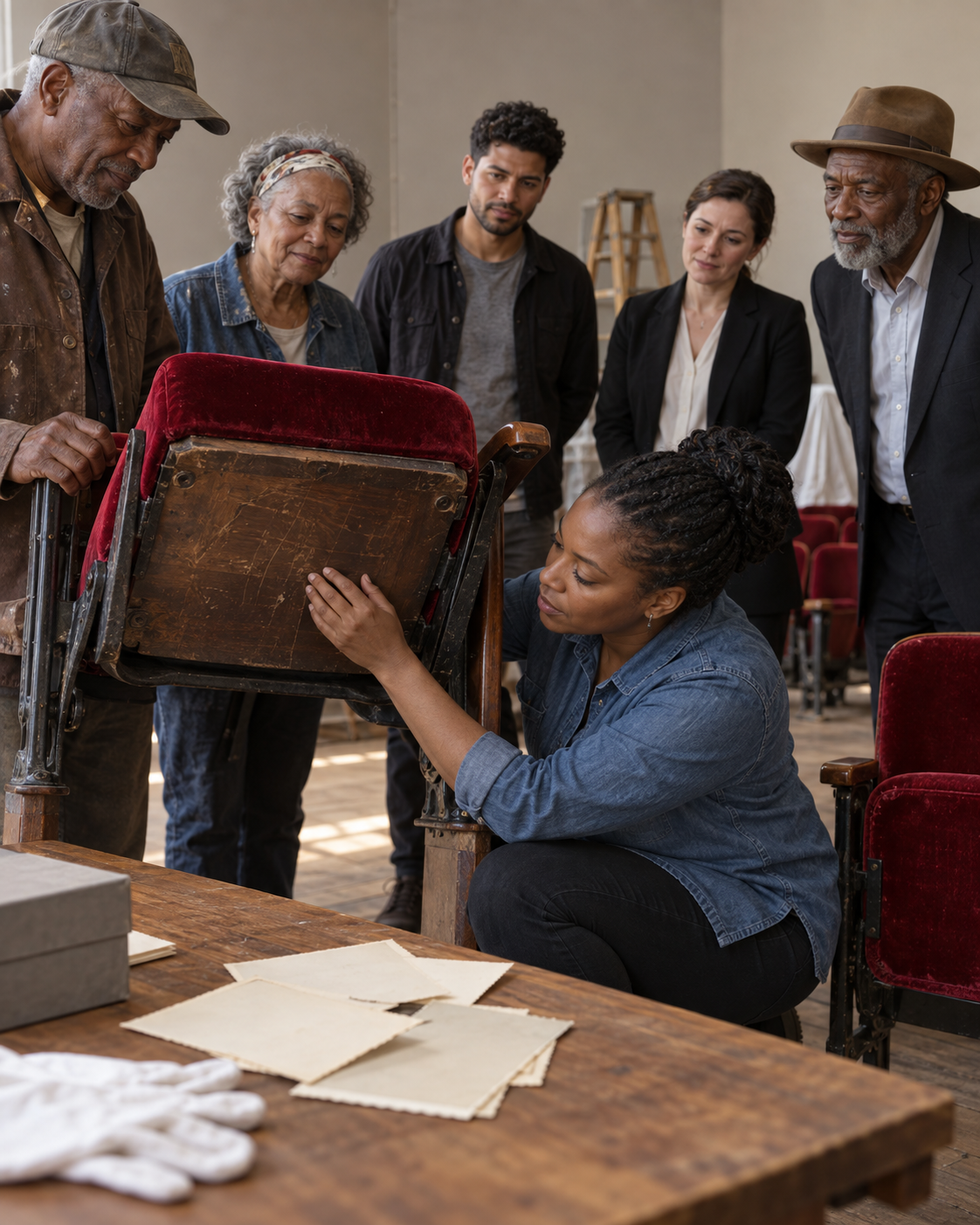
When the Rialto Theater changed owners, the renovation crew found two hundred names written beneath the seats.

Some were dated back to 1948. Ushers, cleaners, projectionists, costume stitchers, musicians—people absent from every framed photograph in the lobby.

The new owner, Victor Hale, announced that the seats would be auctioned as “historic artifacts.” He planned to publish the names in a glossy souvenir book.

My grandmother’s name was under seat B14.

She had cleaned the Rialto at night while studying bookkeeping. During segregation, she could work in the theater but not sit in its main section. Her signature beneath B14 was not a cute employee tradition. It marked a seat she was forbidden to occupy.

I told Victor. He canceled the press release, but the auction contracts were already drafted and preservation work had begun.

We invited former workers and families to inspect the seats before anything moved. Their stories did not agree. Some names marked pride. Some marked pranks. Three families asked that names be covered because the workers had used aliases. One inscription appeared to identify a teenager employed illegally.

A single celebratory narrative would erase those differences again.

Victor abandoned the souvenir book and created a consent registry. Families could choose public attribution, initials, anonymity, or no display. The theater donated twelve seats to the local history center and kept twenty in the renovated lobby. The rest could be sold only after inscriptions were photographed and any requested privacy measures were applied. Auction proceeds funded oral-history recordings and accessibility upgrades.

I refused to let B14 be sold.

At reopening, it sat in the main aisle with Grandma’s name visible beneath a clear panel. Above it was not a heroic biography, just her own later words from a recorded interview:

**I swept under this seat before I was allowed to sit in it.**

Victor offered me the first ticket. I declined. The seat belonged in public use.

An older woman bought it for opening night. She read the panel, then asked if she was permitted to sit.

“That is the point,” I said.

The lights dimmed. For the first time, Grandma’s name remained visible while someone occupied the place she had once only cleaned.
Leave a Comment

The New Theater Owner Found Two Hundred Names Beneath the Seats

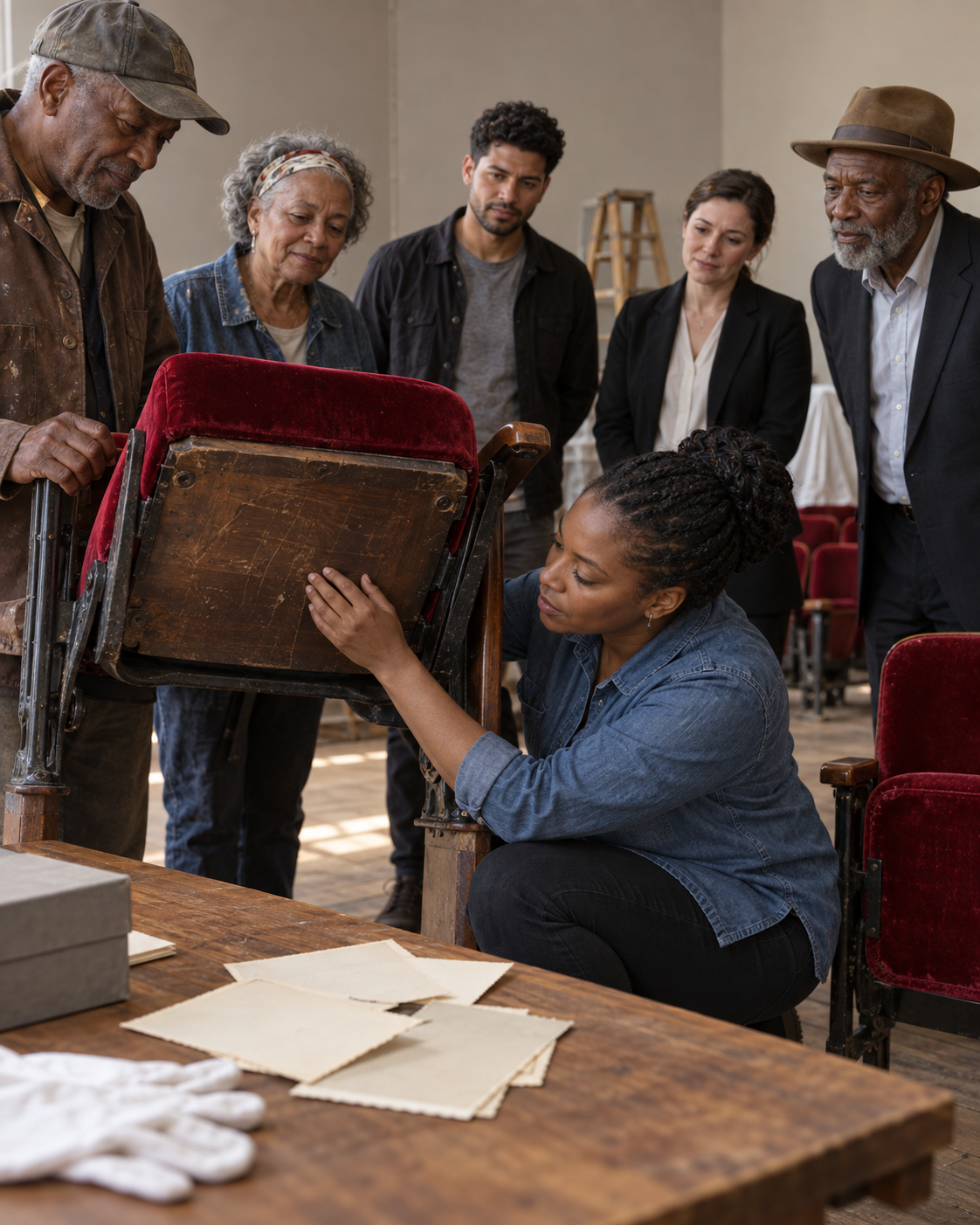
When the Rialto Theater changed owners, the renovation crew found two hundred names written beneath the seats.

Some were dated back to 1948. Ushers, cleaners, projectionists, costume stitchers, musicians—people absent from every framed photograph in the lobby.

The new owner, Victor Hale, announced that the seats would be auctioned as “historic artifacts.” He planned to publish the names in a glossy souvenir book.

My grandmother’s name was under seat B14.

She had cleaned the Rialto at night while studying bookkeeping. During segregation, she could work in the theater but not sit in its main section. Her signature beneath B14 was not a cute employee tradition. It marked a seat she was forbidden to occupy.

I told Victor. He canceled the press release, but the auction contracts were already drafted and preservation work had begun.

We invited former workers and families to inspect the seats before anything moved. Their stories did not agree. Some names marked pride. Some marked pranks. Three families asked that names be covered because the workers had used aliases. One inscription appeared to identify a teenager employed illegally.

A single celebratory narrative would erase those differences again.

Victor abandoned the souvenir book and created a consent registry. Families could choose public attribution, initials, anonymity, or no display. The theater donated twelve seats to the local history center and kept twenty in the renovated lobby. The rest could be sold only after inscriptions were photographed and any requested privacy measures were applied. Auction proceeds funded oral-history recordings and accessibility upgrades.

I refused to let B14 be sold.

At reopening, it sat in the main aisle with Grandma’s name visible beneath a clear panel. Above it was not a heroic biography, just her own later words from a recorded interview:

**I swept under this seat before I was allowed to sit in it.**

Victor offered me the first ticket. I declined. The seat belonged in public use.

An older woman bought it for opening night. She read the panel, then asked if she was permitted to sit.

“That is the point,” I said.

The lights dimmed. For the first time, Grandma’s name remained visible while someone occupied the place she had once only cleaned.

Leave a Comment